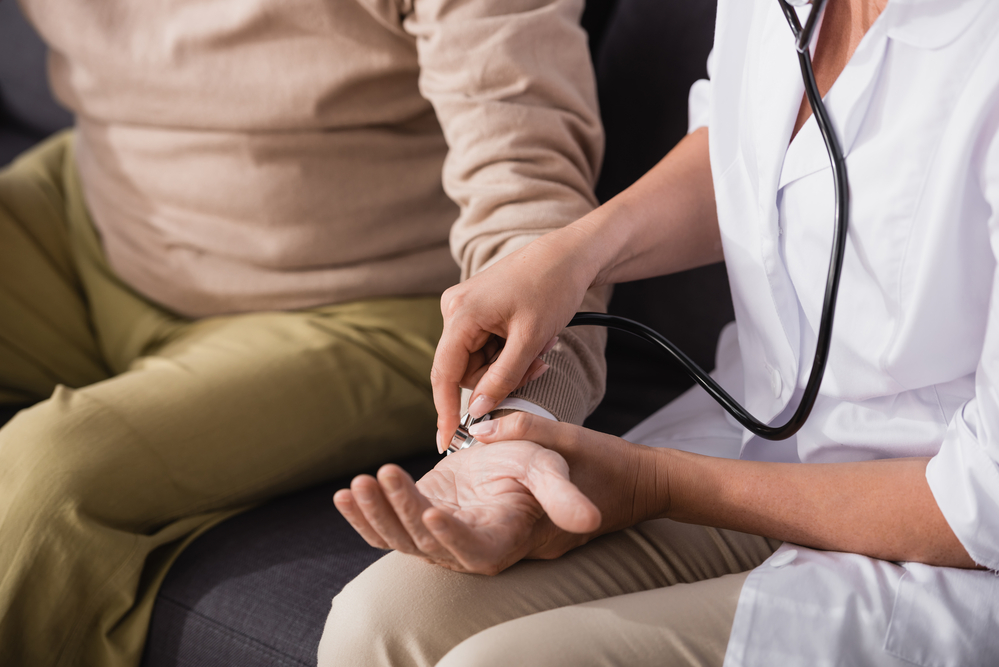
When you enter your sixties and seventies, you may develop arthritis, memory problems, and other age-related health conditions. You can start the process of addressing these issues by visiting a healthcare professional who practices geriatric medicine at Herrera Medical Group in Flower Mound, Texas. Receiving medical treatments can relieve your symptoms and enhance your ability to exercise and maintain other healthy habits during this part of your life.
Getting Started With Geriatric Medicine: What Can You Expect?
A doctor who is trained in geriatric medicine has experience addressing the medical problems that you may experience after you turn 60. This type of healthcare professional is called a geriatrician. When you have your first appointment with a geriatrician, you can expect to have a pleasant and rewarding experience.
Discussing Your Medical Challenges
The specifics of your meeting will depend on the type of age-related health issues that you are experiencing. That said, we will probably review your previous diagnoses, talk about your family history, and discuss all of the mental or physical issues that you currently experiencing.
In particular, you should let us know if you are beginning to have mobility challenges or are becoming more forgetful. For example, you should tell us if you have memory problems that are interfering with your ability to perform household chores or other daily tasks.
Providing Treatment
Under some circumstances, we may prescribe new medications or advise you to make lifestyle adjustments. For example, if you are experiencing joint pain, we may instruct you to address this issue by taking prescription medications. In addition, we can help you make healthy changes to your diet or exercise routine. These new habits will lower your chance of developing future health issues.
Sometimes, we will refer you to a specialist who can provide you with additional treatment. For example, we may begin the process of improving your mobility challenges by referring you to a physical therapist. If you have memory challenges, we may advise you to schedule a meeting with a healthcare professional who specializes in this type of mental issue.
What Type of Health Issues Can You Develop After You Turn Sixty?
After you turn sixty, you might develop hearing problems, orthopedic issues, memory challenges, and other physical and mental conditions. Instead of accepting these medical problems as a natural part of getting older, you should seek treatment by visiting a geriatrician. Diagnosing and addressing your health issues at an early stage may enhance your ability to live independently for a longer period of time.
Hearing Loss
When you were younger, you probably had no issue understanding what people said to you. As you get older, you may develop hearing loss. When you are in a loud area, you might struggle to converse with your family members or friends. If you are suffering from hearing challenges, we may refer you to a specialist who can provide you with a hearing aid or other treatments.
Vision Issues
It’s also common to have difficulty seeing nearby objects when you are in your sixties or seventies, and you might not be able to read a book or use a computer without putting on reading glasses. In addition, you may have difficulty adjusting to different intensities of light. You could also have cataracts that cause your vision to become cloudy.
If you have diabetes, you will be more likely to have vision problems during the later parts of your life. To protect your eyes, you should make sure to visit a healthcare provider for regular check-ups.
Orthopedic Conditions
When you get older, your muscles will become weaker and the density of your bones will change. As your bones continue to change, you will be more likely to develop osteoporosis. Further, having a close relative who fractured a hip will enhance your risk of being diagnosed with osteoporosis. You will also have a higher chance of experiencing this condition if you have a small frame.
Developing osteoporosis and other orthopedic health issues might prevent you from enjoying time with your grandchildren, engaging in physical activities, and socializing with your friends. Fortunately, there are many medications and other gentle treatments that can be used to address these physical challenges.
Cardiovascular Issues
Your arteries and blood vessels may become stiffer as you continue to age. This change will make it more difficult for your heart to provide sufficient blood flow to your organs. Over time, the muscle mass of your heart may increase, and you can develop a wide range of cardiovascular conditions. We can protect your health by monitoring the condition of your heart and helping you make beneficial adjustments to your lifestyle.
Memory Problems
After you turn sixty, you might struggle to remember certain words or recall memories of specific events. Although it’s common to experience some memory challenges as you age, these symptoms can be an indication that you have Alzheimer’s disease or another cognitive problem. In particular, taking specific medications, experiencing depression, or drinking alcohol may cause you to have memory issues.
Digestive Challenges
You may develop constipation and other digestive challenges as you enter your sixties. For example, you might have diarrhea, abdominal discomfort, or other issues after you begin taking new medications. Living an inactive lifestyle can also increase the severity of your constipation issues. We may advise you to address these health problems by adjusting your medications or making changes to your diet.
Balance Issues
Your ability to maintain your balance will probably decrease when you get older. Experiencing blood pressure issues and developing certain neurological conditions can lead to this physical problem. Similarly, some prescription medications can cause you to feel dizzy or have other balance issues.
Developing balance problems will enhance your risk of becoming injured in a fall or other accident. To protect your safety, we may advise you to work with a physical therapist who can help you improve your balance and strengthen your muscles.
What Unique Benefits Can a Geriatrician Provide?
You will receive several important benefits when you visit a healthcare provider who practices geriatric medicine. In particular, you might have a different response to medications as you get older. Taking multiple medications at a time can also cause you to experience frustrating digestive challenges and other symptoms. We will use our experience to monitor your health and look for possible interactions between your medications.
We will also use our specialized training to treat your complicated health conditions and coordinate the interactions between the specialists and other professionals who are providing you with medical care. During your regular checkups at our office, we will look for memory challenges, osteoporosis, and other health conditions that could impact your quality of life in the future.
Can You Receive Treatment for Chronic Pain?
Many of the health conditions that you develop in your sixties and seventies can cause you to experience chronic pain and other physical problems. At Herrera Medical Group, we can use specialized techniques to address symptoms that are associated with many different medical conditions. For example, we can treat pain that is caused by fibromyalgia, sciatica, or diabetes. We can also decrease the discomfort that is associated with hip or back problems.
We can use a wide range of minimally invasive methods to decrease your physical symptoms. For example, we might treat your pain by providing you with a celiac plexus block, knee joint injection, or another type of injectable treatment. Further, we might advise you to receive platelet-rich plasma treatments, attend physical therapy sessions, or use stem cell therapy to address your chronic pain.
Do You Need To Keep Receiving Preventative Care After You Turn Sixty?
You probably already know that it’s important to receive periodic medical check-ups when you are young. However, you might be surprised to learn that you should continue to attend these appointments as you age. Receiving preventative care will allow you to screen for possible illness and increase your chance of successfully treating age-related health problems at an early stage.
For example, we may use blood tests and other tools to diagnose your medical issues. In particular, if you have recently broken a bone, we may advise you to receive a bone density scan. This test will allow us to analyze the condition of your bones and start treating your bone loss. In addition, we can help you adopt new exercise programs and incorporate healthier foods into your diet.
Can You Receive Treatment for Diabetes?
As you get older, you will have a higher chance of developing a health problem called type 2 diabetes. Being overweight or having a family history of this health condition will also raise your risk of becoming diabetic. This chronic illness can cause you to experience unexplained weight loss, develop vision issues, and become very fatigued. This problem could also cause to have a dry mouth and very itchy skin.
Fortunately, we can use a quick, minimally invasive blood test to diagnose this health condition. If you have diabetes, we can use a range of easy, effective techniques to manage this illness. For example, we may advise you to increase your activity levels and start eating a diet that contains higher amounts of fiber. Under some circumstances, we may also instruct you to take prescription medications and lose weight.
Can the Other Members of Your Family Receive Medical Treatments?
In addition to addressing the medical problems that you experience after you enter your sixties, we can treat the other members of your family. Since we practice family medicine at Herrera Medical Group, we can treat infants, children, and adults. For example, we could address your joint pain and provide checkups for your grandchildren. We can also provide preventive care, medications, and other treatments for the younger adults in your family.
Receiving treatment for multiple family members will allow you to spend less time driving to different doctors’ offices and setting up new medical appointments. As we gain familiarity with your family members, we can help you address health issues that affect more than one of your relatives. For example, we may be able to quickly treat family members who have developed a common illness or other medical condition.
Schedule a Consultation
You shouldn’t ignore joint pain, memory challenges, and other health issues that you develop after you enter your sixties. Establishing a strong relationship with a healthcare provider who practices geriatric medicine is a good way to diagnose your health issues and receive treatment for your medical conditions. To schedule your first appointment, you should contact us at Herrera Medical Group in Flower Mound, Texas.