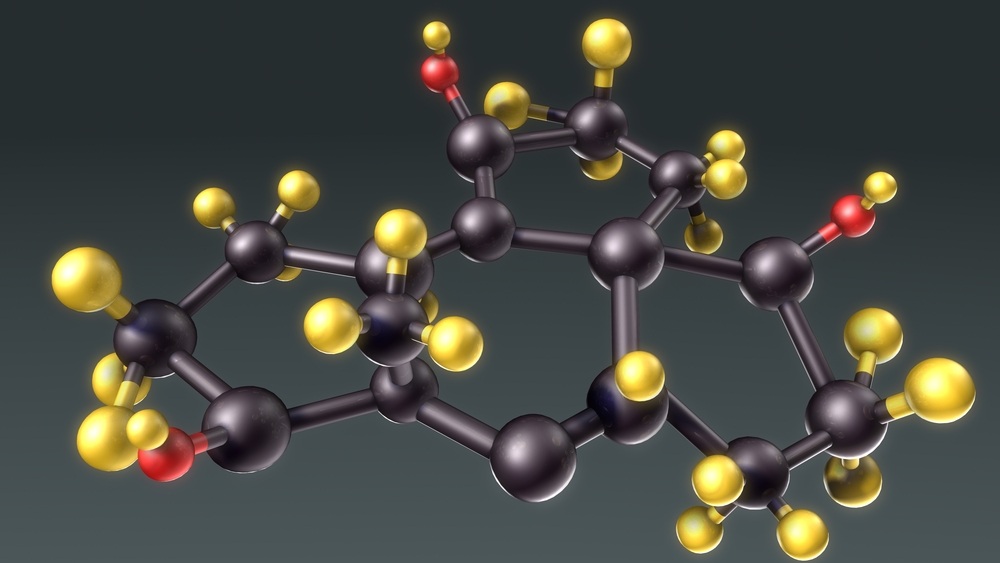
Are you considering pellet therapy as an option for managing your hormone levels? At Your Family Medical in Flower Mound, TX, we are proud to offer this treatment. Hormone therapy can help improve your energy levels, sleep quality, sexual health, and overall wellbeing. It can also help with symptoms like fatigue, depression, and mood swings. But who is a good candidate for hormone replacement therapy?
Who Is a Good Candidate for Pellet Therapy?
Pellet therapy has gained tremendous popularity over the last few years as an effective hormone replacement treatment for women and men suffering from hormonal imbalances. The small bio-equivalent pellets, which are derived from plant sources, are inserted subcutaneously into the abdominal wall or gluteal area. This provides consistent dosing to your endocrine system to help balance your hormones levels and alleviate many symptoms that come with hormone decline or deficiency.
Many individuals suffering from a hormonal imbalance usually qualify for this treatment. This includes anyone who is experiencing any of the conditions discussed below.
Menopause
Menopause is a natural occurrence for women in their midlife. It’s the time when the body permanently stops producing eggs and the menstrual cycle comes to an end. As women approach this phase in life, it may cause both physical and emotional issues. Physically, you may experience hot flashes, night sweats, fatigue, and insomnia due to changes in your hormone levels.
Emotionally, menopause can cause mood swings or irritability due to reactions taking place in your brain chemistry. Bioidentical hormone replacement therapy (BHRT) can be a great avenue to help navigate the menopausal transition in a healthy way,
Andropause
Andropause, the male equivalent of menopause, typically occurs around ages 40-55 and can differ in duration and intensity. The physical side effects of andropause are associated with decreased testosterone levels. Symptoms such as fatigue, muscle weakness, weight gain, reduced libido, erectile dysfunction, depression, and anxiousness are all common complaints among individuals going through this stage in life.
BHRT is an effective treatment that can help men adjust to these new changes. The therapy helps soften the impact of symptoms by replacing certain hormones that may be decreased due to age or other factors. Working with a medical professional allows you to go through your treatment plan step by step so that you can make an informed decision about how best to manage any symptoms of andropause you may be experiencing.
Pregnancy
During pregnancy, your body undergoes many hormonal changes. These changes, which usually start within the first few weeks and can last throughout the entirety of your pregnancy, can cause various symptoms. While some mothers might experience these changes without issue, others may be affected far more strongly. Some common symptoms expectant mothers might experience include fatigue, tender and swollen breasts, frequent urination, food cravings, and aversions to certain smells or foods.
In addition to these physical impacts, many women also experience heightened emotions such as happiness, sadness, irritability, or anger. Hormone therapy can help restore balance to your system while giving you the relief your body needs in preparation for motherhood.
Low Sex Drive
Our sexual health is determined by a delicate balance of several hormones that regulate our feelings of desire. These hormones include testosterone, dopamine, estrogen, and progesterone. Unfortunately, conditions like age or illness can have an adverse effect on hormone levels, leading to a decrease in libido and even a total lack of sexual interest. Fortunately, though, this disruption can often be rectified through hormone therapy.
When you come to us to discuss low libido, we will likely perform a hormone evaluation test. This is to determine whether your hormones are functioning at the correct levels for normal sexual arousal and activity. This exam may include blood samples and urine tests. We will then review the results and create a customized treatment plan based on these findings.
Erectile Dysfunction (ED)
Erectile dysfunction is a common medical condition that affects approximately 30 million men in the United States each year. ED is characterized by the inability of a man to achieve or maintain an erection sufficient for sexual activity. It can be caused by various physical and psychological factors, including hormonal imbalances, cardiovascular diseases, diabetes, depressive disorders, obesity, and more.
Various forms of treatment are available to treat ED effectively. These treatments vary depending on the underlying causes. For example, lifestyle changes such as healthy eating and regular exercise may help to manage risk factors such as obesity and cardiovascular diseases associated with ED. With BHRT, hormones like testosterone levels can be safely balanced to help improve one’s sex life.
Premenstrual Syndrome
Premenstrual syndrome, commonly shortened to PMS, is a recurring pattern of physical, psychological, and behavioral symptoms that usually appear up to two weeks before a woman’s menstrual cycle. The most common signs of PMS are fatigue, bloating, irritability, breast tenderness, and acne flare-ups. Many women also experience heightened feelings of depression and anxiety, as well as food cravings.
Though there is no definitive medical treatment for PMS, managing symptoms with dietary changes and lifestyle modifications such as regular exercise can help reduce the impact on your life. Maintaining open communication with your physician is essential in creating an effective treatment plan that takes into account the intensity or duration of your symptoms.
Low Bone Density
Low bone density, also known as osteopenia, refers to the weakening of the bones due to lower-than-normal levels of minerals like calcium and phosphate within the body. If left untreated, it can lead to osteoporosis, a more severe skeletal disorder in which bones become highly fragile and prone to fractures. Hormone levels and low bone density are often linked. When hormones like estrogen dip or fluctuate, bones can become weaker and brittle, eventually leading to osteoporosis.
Unplanned Weight Gain
Staying at your ideal body weight can be a challenge, especially when hormones are out of balance. Your body regulates its weight through hormones such as leptin, ghrelin, and cortisol. Leptin is a hormone responsible for sending signals from fat cells to the brain that let you know when you’re full. Ghrelin stimulates hunger and tells your brain when it’s time to eat.
Cortisol can increase appetite during times of increased mental or physical strain, leading to higher food intake and possible weight gain. Hormone therapy can be an effective way to help maintain your ideal body weight by manipulating the hormones in your body that are linked to metabolism and appetite.
Insomnia
Insomnia is a sleep disorder that affects up to 70 million people in the United States. It is characterized by difficulty sleeping, restless nights, and fatigue during the day. When it comes to hormones and insomnia, they are inextricably intertwined. Certain hormones regulate the body’s natural circadian rhythm, which influences when you need to sleep and when you feel awake. Therefore, any disruption to these hormones can cause insomnia.
Cortisol, for example, is one hormone released during times of stress. Too much cortisol can make it hard to fall asleep or stay asleep throughout the night. BHRT can help your body maintain appropriate levels of hormones for regular sleeping patterns.
Fatigue
Fatigue is a common symptom of hormonal imbalances, and understanding how hormones interact with your body can help you understand why it happens. When hormones such as serotonin or melatonin are too low or too high relative to other hormones in your system, the brain can malfunction, resulting in a lack of energy or sleep.
This kind of fatigue can be both physical and mental, leaving you feeling lethargic and stressed out. The good news is that this type of fatigue can often be easily treated with hormone therapy.
Consultation
During your initial consultation, we’ll have an in-depth discussion about how pellet therapy works. We will also go over your health and evaluate any endocrine issues you may be experiencing. We will discuss how long you’ve been noticing symptoms as well as any previous treatments you’ve tried to combat those issues.
Next, we’ll talk about a range of topics concerning hormone therapy, such as the duration between treatments, possible side effects, and realistic expectations. Lastly, we’ll conduct a few lab tests to determine that this treatment is an ideal choice for you.
Start Balancing Your Hormone Levels Today!
Pellet therapy may be effective in helping you achieve balanced hormone levels and managing symptoms associated with hormonal issues. It is a safe form of treatment that offers life-long benefits without lengthy regimens or disruption in your daily routine. Visit Your Family Medical in Flower Mound, TX, to find out if you are a good candidate for this treatment.